


The captain has a well-documented sleep routine and specific drink he uses to maximise his power

Argentina captain Lionel Messi will be using an unusual sleep technique to boost his health and fitness ahead of the England game this week. England face Argentina in the World Cup semi-final kicking off at 8pm on Wednesday.
Messi is widely regarded as one of the greatest players in the history of the sport. Born in Rosario, Argentina, he spent the majority of his professional career with Barcelona, where he won multiple UEFA Champions League titles and the Ballon d'Or.
Messi later played for Paris Saint-Germain before moving to Inter Miami. On the international stage, he led the Argentina national team to victory in the 2021 Copa América and ultimately achieved his lifelong dream of winning the FIFA World Cup in 2022.
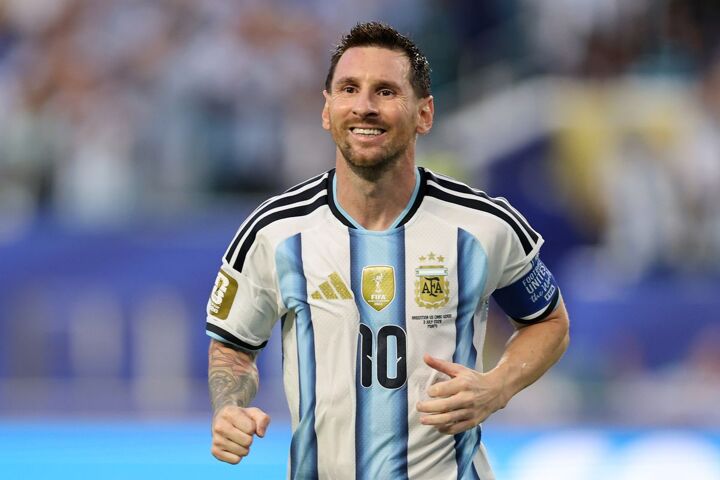
And part of his fitness could be down to his sleep routine. The captain is reported to get around 11 hours of sleep throughout the day, including naps.
Dr Eduard Estivill, a specialist in sleep medicine with a degree in medicine and surgery, told the Endor Podcast : "Messi ... sleeps 11 hours including naps."
Explaining why some footballers sleep so much, he added: “They use a lot of energy and they need to recover. Although people think footballers work little, it's not true because training consumes a lot. It was discovered that one of the causes of muscle injuries was precisely the few hours of sleep.”
James Wilson, known as The Sleep Geek, said: “For elite athletes, sleep is when much of the body’s physical and mental recovery takes place, supporting muscle repair, learning, decision-making, reaction times, and emotional resilience.”
Another well-known part of Messi’s matchday preparations includes drinking yerba maté, a caffeinated drink that has become synonymous with Argentine identity. However, James said: “Yerba maté contains caffeine, so from a sleep perspective it should be treated much the same as coffee. Some people describe the energy as feeling smoother, but the evidence suggests the biggest factors are how much caffeine you consume and when you drink it.”
With many professional athletes using caffeinated drinks in their routines. James told Bensons: “Caffeine is one of the most researched performance aids in sport and, when used appropriately, can improve alertness, reaction time and reduce the perception of effort during exercise.
“The flip side is that it’s also one of the biggest lifestyle factors that can interfere with sleep. Because caffeine stays in the body for several hours, having it too late in the day can make it harder to fall asleep and reduce the quality of recovery overnight.”
Having been a sleep coach for professional footballers, James says Messi’s biggest advantage is his understanding of what works for him. “The best athletes don’t all have the same routine, but they do have a deep understanding of themselves as sleepers. They know how much sleep they need, what helps them switch off, and how they recover after late matches or travel, and they create routines and environments that support that.
“Rather than trying to sleep like Messi, the real takeaway is to understand what you need to perform at your best and build your life around that.”