


Recently, according to multiple Dutch media reports, Dutch professional football is facing an unprecedented passport turmoil, with many Eredivisie and Eerste Divisie clubs urgently verifying the eligibility of some international players.
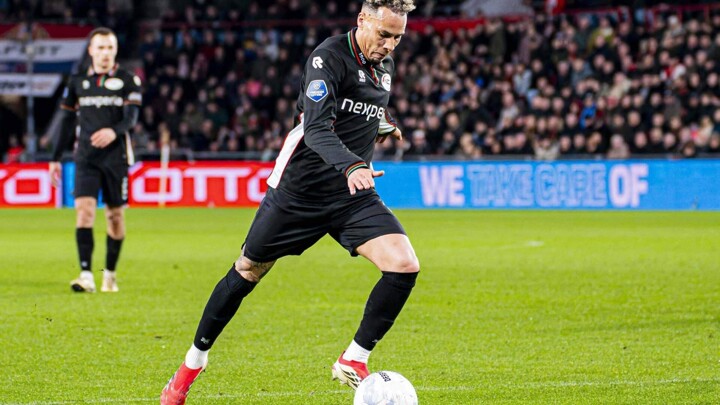
The focus is on those players who represent non-EU countries, such as Surinamese and Indonesian players. Because Dutch law stipulates that people who voluntarily acquire another nationality will automatically lose their Dutch nationality, this may mean that these players are actually not qualified to play in the Eredivisie or Eerste Divisie leagues.
On March 30, a spokesperson for the Dutch Ministry of Justice stated regarding the passport issue in Dutch professional football that players should be aware of the potential impact on their Dutch nationality if they voluntarily acquire the nationality of another country. The Dutch FA (KNVB) has also made it clear that Eredivisie and Eerste Divisie clubs should only field players who are clearly eligible to play.
Earlier this month, NAC Breda of the Eredivisie and Top Oss of the Eerste Divisie filed complaints to the Dutch FA because their recent league opponents featured Indonesian international players - Dean James of Go Ahead Eagles and Jari Oosterwijk of Willem II. Because they hold Indonesian passports and represent the country, they may have lost their Dutch nationality, as a result, raising questions about their eligibility to play. Other international players of different nationalities playing in the Dutch league are also being investigated for similar situations.
Dutch nationality law stipulates
On March 30, a spokesperson for the Dutch Ministry of Justice stated that they would not comment on individual cases, but in general, individuals should be aware of the possible legal consequences when choosing to acquire another nationality. The Dutch Nationality Act stipulates that anyone who voluntarily acquires another nationality will automatically lose their Dutch nationality. Exceptions include: people born and residing in another country, people who have lived in another country for five years as minors, and people who acquire another nationality through a spouse or registered partnership.
According to these clauses, the several players who actively chose to naturalize as Indonesian are unlikely to meet these regulations.
The Dutch FA has stated that it will not cancel the results of completed matches. This policy applies to all matches up to the 28th round of the Eredivisie and the 33rd round of the Eerste Divisie, but does not include the matches of March 28.
Currently, the passport issue has been handed over to the professional football prosecutor. Before the next round of matches, clubs must carefully verify, with legal support, whether all players hold the necessary residence and work permits to ensure that they are legally qualified to play.
Affected players include Tjaronn Chery and Mees Hoedemakers of NEC Nijmegen, Jari Oosterwijk of Willem II, Dean James of Go Ahead Eagles, Devensio van der Kust of Heracles Almelo, Etienne Vaessen of FC Groningen and SC Heerenveen, and Justin Hubner and Justin Lonwijk of Fortuna Sittard. Previously, FC Emmen also suspended Tim Keurntjes for the same reason.
Currently, the Dutch Immigration and Naturalisation Service (IND) is investigating 25 players who may have lost their Dutch nationality to confirm whether they still have Dutch nationality and are eligible to play in the Dutch professional league. Before the results of the investigation are clear, many clubs have decided to temporarily suspend the relevant players, prohibiting them from training and playing. NEC Nijmegen has made it clear that, in order to avoid risks, it has temporarily excluded Chery and Hoedemakers from the match squad. Heracles Almelo, Willem II, FC Groningen, SC Heerenveen and Fortuna Sittard have also taken similar measures.
Clubs are actively seeking solutions in the hope of restoring the eligibility of as many players as possible in the next round of matches. One way is to allow players to continue playing with a foreign passport through a work permit, similar to what Ajax did for goalkeeper Maarten Paes; another way is for players to reapply for Dutch nationality, which will take at least three months, but they can apply for a temporary residence permit in the meantime, thus immediately restoring their eligibility to play. However, this approach may affect players' ability to play for their national teams. Lawyers point out that these procedures usually take one to two weeks to process, and for Chery of NEC Nijmegen, there may be some difficulty in making the Dutch Cup final on April 19.
The Dutch FA (KNVB) emphasizes that it will strictly supervise match arrangements to ensure that only players with legal eligibility to play are allowed to play. The FA pointed out: "Players are responsible for reporting changes in nationality to the competent authorities, and clubs are responsible for verifying players' eligibility before arranging for them to play." The professional football prosecutor has also intervened to investigate the Dean James eligibility dispute raised by NAC Breda to prevent illegal appearances from affecting the fairness of the game.
Dutch media say that this passport turmoil not only affects individual players, but may also pose a major challenge to club match arrangements and league fairness. All parties in the Dutch professional league are racing against time to deal with the problem, striving to restore the eligibility of as many players as possible in the next round of matches, while ensuring the fairness of the game and the seriousness of the rules.