


At 19:00 UTC time on June 13th, the World Cup moves into its first four-match day.
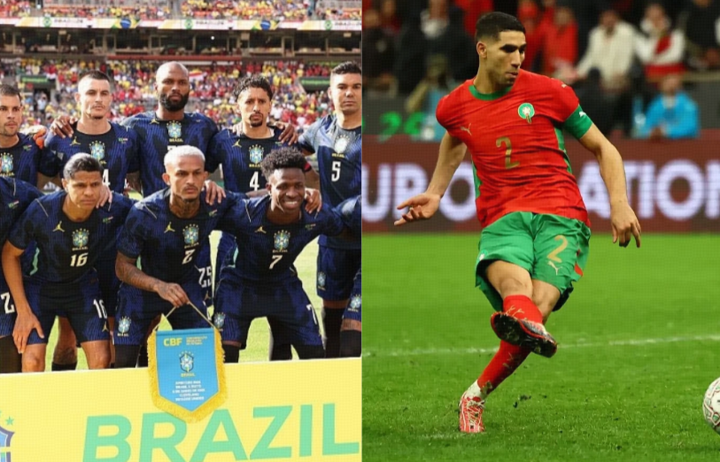
Today's fixtures cover Group B, Group C and Group D, bringing together different storylines: Qatar's first World Cup match since hosting in 2022, Switzerland's latest test as an experienced European tournament side, Brazil's opener under Carlo Ancelotti, Morocco's first World Cup campaign under Mohamed Ouahbi, and long-awaited returns for Haiti, Scotland and Turkiye.
Match Information: 2026 World Cup Group B Round 1, Qatar vs Switzerland
Venue: San Francisco Bay Area Stadium (Levi's Stadium), Santa Clara, California, USA
Kick Off Time: June 13th, 19:00 UTC
Qatar begin their campaign after Canada and Bosnia-Herzegovina drew 1-1 in the other opening match of Group B. Julen Lopetegui's side is expected to focus on defensive structure, quick transitions and the creative influence of Akram Afif, who remains the team's main attacking reference.
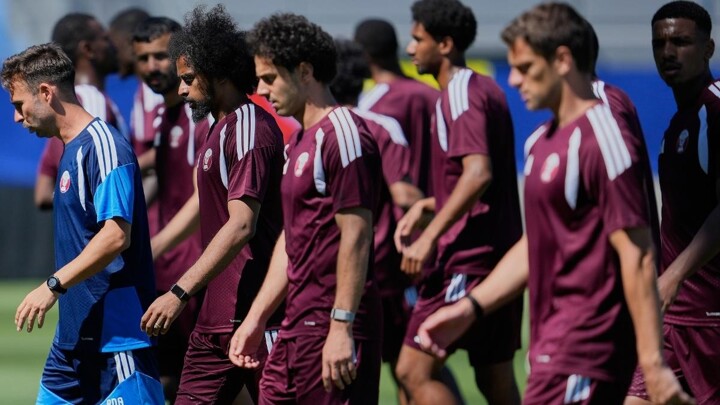
Switzerland arrive with a familiar spine under Murat Yakin. Granit Xhaka gives the team control in midfield, Manuel Akanji provides defensive leadership, and Breel Embolo offers a physical focal point in attack. Ruben Vargas is one fitness situation to monitor, with recent team news listing him as a doubt.
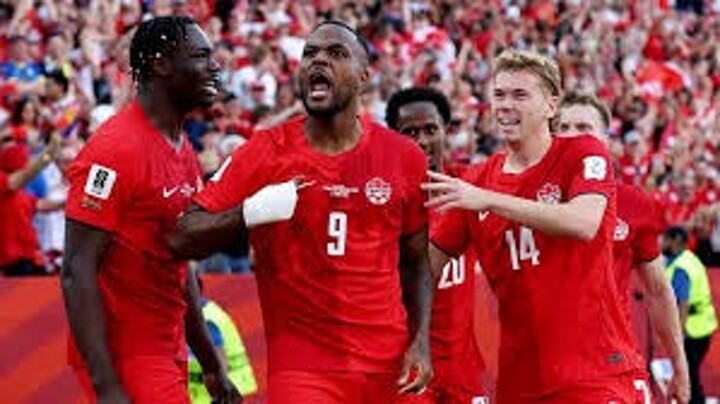
Players to watch include Akram Afif and Almoez Ali for Qatar, especially in transition and set-piece situations. For Switzerland, Xhaka's tempo-setting, Akanji's positioning and Embolo's link-up play could shape how the match develops.
The key battle is whether Qatar can protect central areas while still giving Afif enough room to carry the ball forward. Switzerland's challenge is to move possession with enough speed and variety to avoid becoming too predictable against a compact block.
Match Information: 2026 World Cup Group C Round 1, Brazil vs Morocco
Venue: New York New Jersey Stadium (MetLife Stadium), East Rutherford, New Jersey, USA
Kick Off Time: June 13th, 22:00 UTC
Brazil vs Morocco is one of the most eye-catching matches of the opening round. Brazil start a new World Cup cycle under Carlo Ancelotti, while Morocco return after their historic 2022 semifinal run and now play under Mohamed Ouahbi.
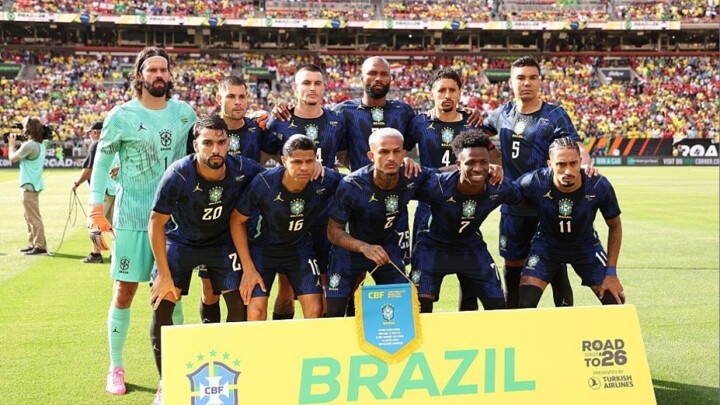
Brazil's latest team news has Neymar ruled out of the opener with a calf injury, while Wesley is also unavailable. That places more attention on Vinicius Junior, Raphinha, Lucas Paqueta and Matheus Cunha in the attacking structure, with Casemiro and Bruno Guimaraes important to the midfield balance.
Morocco also have availability issues, with Nayef Aguerd and Abde Ezzalzouli out and Noussair Mazraoui listed as a doubt. Achraf Hakimi, Brahim Diaz, Sofyan Amrabat and Yassine Bounou remain central figures in the Atlas Lions' setup.

Players to watch include Vinicius Junior for Brazil, especially in one-on-one situations on the left, and Raphinha or Paqueta between the lines. For Morocco, Hakimi's runs from the right, Brahim Diaz's movement and Bounou's command of the penalty area are major focal points.
The tactical focus will be Brazil's ability to create isolation moments in wide areas and Morocco's ability to attack quickly when possession changes hands. Hakimi's positioning against Brazil's left-sided threat could become one of the defining matchups.
Match Information: 2026 World Cup Group C Round 1, Haiti vs Scotland
Venue: Boston Stadium (Gillette Stadium), Foxborough, Massachusetts, USA
Kick Off Time: June 14th, 01:00 UTC
Haiti and Scotland meet in a match with major emotional weight. Haiti are back at the World Cup after a 52-year absence, while Scotland are playing their first World Cup match since 1998.
Haiti enter the fixture with no major injury concern reported in the latest available team news. Sebastien Migne's side is expected to rely on discipline, speed and direct attacking, with Jean-Ricner Bellegarde, Wilson Isidor, Duckens Nazon and Ricardo Ade among the important names in the squad.
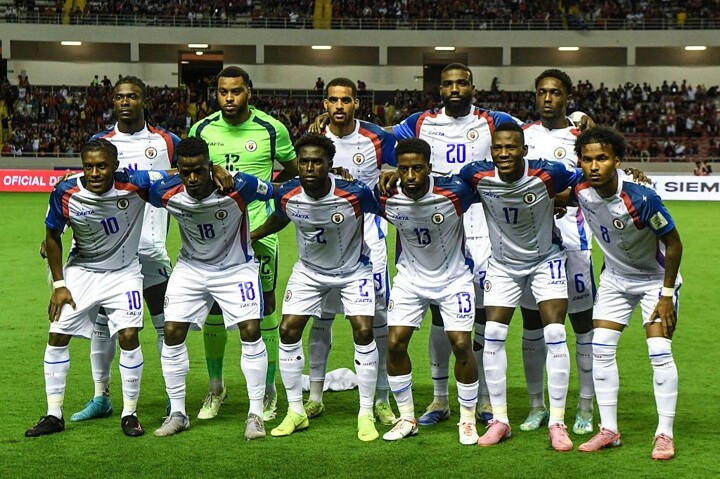
Scotland's latest team news includes Billy Gilmour being unavailable with a knee injury, while Scott McTominay has returned after a stomach issue. Steve Clarke will also look to Andy Robertson and John McGinn for leadership, delivery and midfield control.

Players to watch include Bellegarde for Haiti as the player who can carry possession through midfield, Isidor as a mobile forward, and Nazon for his tournament experience. For Scotland, McTominay's box-to-box runs, Robertson's crossing and McGinn's set-piece quality stand out.
The match may be shaped by Scotland's ability to turn midfield pressure into chances and Haiti's ability to use speed in transition. Set pieces could also become important if open-play space is limited.
Match Information: 2026 World Cup Group D Round 1, Australia vs Turkiye
Venue: BC Place, Vancouver, Canada
Kick Off Time: June 14th, 04:00 UTC
Australia and Turkiye close the day in Vancouver, following the United States' 4-1 win over Paraguay in the opening match of Group D. That result adds early context to the section, but both teams begin this fixture with their own tactical priorities.
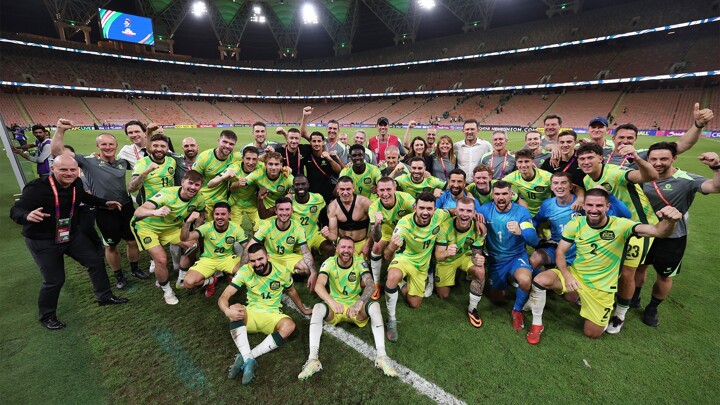
Australia enter with stability around the dugout after Tony Popovic agreed a contract extension on the eve of the tournament. The Socceroos have a transitional squad, including 17 World Cup debutants, while Mathew Ryan, Jackson Irvine, Harry Souttar and Aziz Behich provide experience.
Australia have no major injury concern reported in the latest available team news. Their main strengths are likely to come from compact defending, aerial presence, set pieces and direct attacks into wide areas.
Turkiye return to the World Cup for the first time since 2002. Vincenzo Montella's squad includes several technically gifted players, with Arda Guler offering creativity between the lines, Hakan Calhanoglu providing passing range and Kenan Yildiz being monitored due to a calf issue.

Players to watch include Ryan, Souttar, Irvine, Jordy Bos and Mo Toure for Australia. For Turkiye, Guler's creativity, Calhanoglu's control from deeper areas, Yildiz's availability and Kerem Akturkoglu's movement in attack are all worth following.
The key battle will be rhythm. Turkiye will look to connect midfield and attack through Guler and Calhanoglu, while Australia will try to disrupt that flow, compete physically and create pressure through structure and set pieces.